
October Market Wrap 2026

October 2026 Market Wrap — Navigating the Bear Market, Building for the Future and a Big Finish to 2026!
Well, hello again everyone!
Firstly, I owe everyone a bit of an apology for being so quiet on the blog front lately!
It's certainly not because there's been nothing happening. In fact, quite the opposite!
Andy and I have been absolutely flat out behind the scenes, with ongoing site expansions, major infrastructure upgrades, equipment installations, repairs and maintenance, and the development of several exciting new opportunities across Australia.
Between keeping our existing hosting operations running, looking after our customers, working with our energy partners and planning the next stages of Metamining's growth, finding the time to sit down and put together a proper market update has been a bit of a challenge.
We've also been working on some exciting developments that we're looking forward to sharing with you, including our all-new website, expanded services, new merchandise and preparations for the Australian Crypto Convention in Sydney this November.
So, while the blog has been a little quiet, I can assure you things certainly haven't been quiet at Metamining!
A big thank you to everyone who's continued following and supporting us. We genuinely appreciate it, and I'll be making an effort to keep you all better informed as we move into this next chapter.
Now, there's plenty to catch up on, so let's get into it!
October 2026 — A Month of Mixed Markets, Inflation Concerns and Changing Sentiment
October has been another fascinating month across the Australian and international financial markets.
While technology and AI-related companies continue attracting enormous investment, inflation, interest rates and global liquidity remain major considerations for investors and businesses alike.
The broader market has been sending mixed signals, with some sectors continuing to perform strongly while others struggle under the weight of higher operating costs, changing consumer behaviour and tighter financial conditions.
For those of us involved in cryptocurrency, this is particularly relevant. Bitcoin and the wider digital asset market are now far more connected to traditional financial markets than they were when we first entered the industry in 2017. Institutional investment, exchange-traded funds and professional asset managers have fundamentally changed how capital moves between traditional investments and cryptocurrency.
Australian and International Market Snapshot
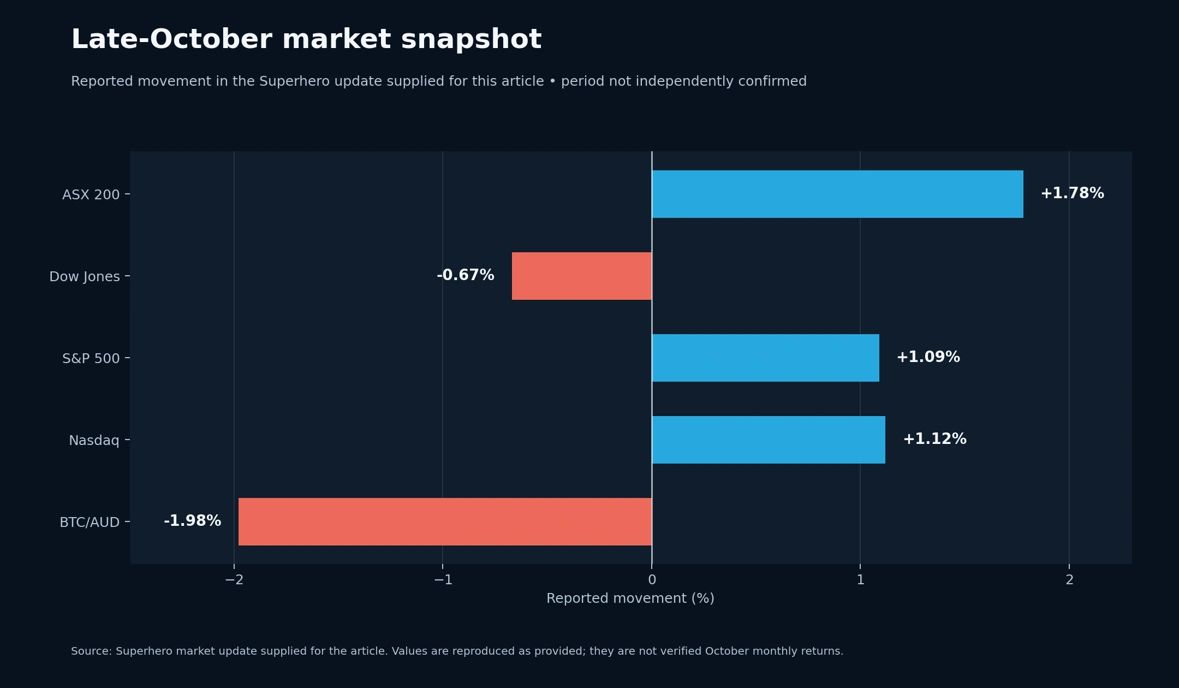
The following figures were included in the late-October market update provided by Superhero and illustrate the mixed conditions across global markets.
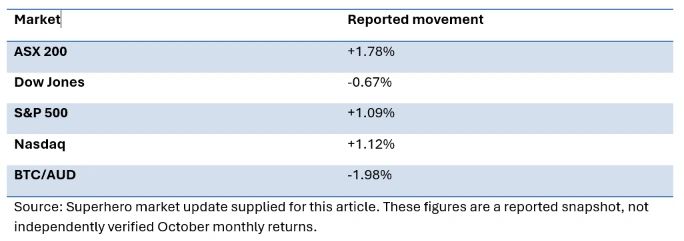
As a dated reference, CoinMarketCap's 31 October 2026 daily snapshot at 00:00 UTC (8:00 am AWST) recorded Bitcoin at US$77,258.61 and A$109,589.57. Prices move continuously and may vary between exchanges and providers. Sources: CoinMarketCap BTC/USD history and CoinMarketCap BTC/AUD history.
The differences are interesting. While the Nasdaq and S&P 500 showed positive movement in the supplied snapshot, the Dow Jones and Bitcoin were weaker. This is another reminder that capital doesn't always move uniformly across asset classes.
Technology companies can attract substantial investment while other parts of the economy face pressure from inflation, interest rates and changing consumer demand. For cryptocurrency investors, the relationship between traditional financial markets and digital assets is becoming increasingly important.
Bitcoin is no longer operating in its own little world. When liquidity tightens, interest-rate expectations change or major technology stocks experience corrections, cryptocurrency markets can react almost immediately
Australian Inflation — The RBA Faces Another Difficult Decision
One of the biggest economic developments during October was Australia's latest inflation data.
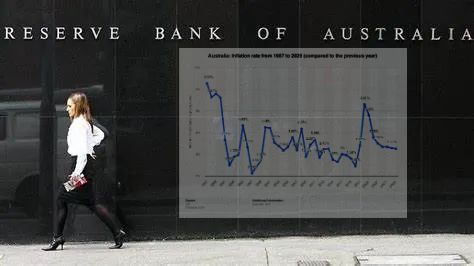
Annual CPI inflation reached 4.3% in September, up from 4.0% in August, with housing and transport costs, including fuel, contributing to broader price pressures. The September-quarter trimmed mean inflation figure came in at 1.0%, above the RBA's reported forecast of 0.8%.
That's certainly not the direction the Reserve Bank would like to see.
With inflation remaining above the Reserve Bank's 2–3% target range, financial markets have been reassessing the likelihood of further interest-rate increases. The next RBA monetary policy decision is scheduled for 3 November, coinciding with Melbourne Cup Day.
The Superhero market commentary referenced an approximately 85% market-implied probability of a 25-basis-point increase, potentially taking the cash rate to 4.85%. Of course, market expectations are not guarantees, and the Reserve Bank will make its decision based on its own assessment of inflation, employment, economic activity and financial conditions.
But the implications extend well beyond mortgage holders. Higher interest rates influence business financing, consumer spending, investment decisions and the cost of funding new infrastructure. For businesses such as ours, which operate capital-intensive infrastructure, these broader economic conditions are always worth watching.
While I don't necessarily agree with the RBA's approach to managing inflation, I feel that its policies—and those of our government—may be adding to the economic pressures we're already facing. That's another story. I firmly believe the government needs to rethink how monetary policy is managed and urgently reform the tax system, including proper inflation indexation. But hey, what do I know!
The United States — Federal Reserve Holds Steady
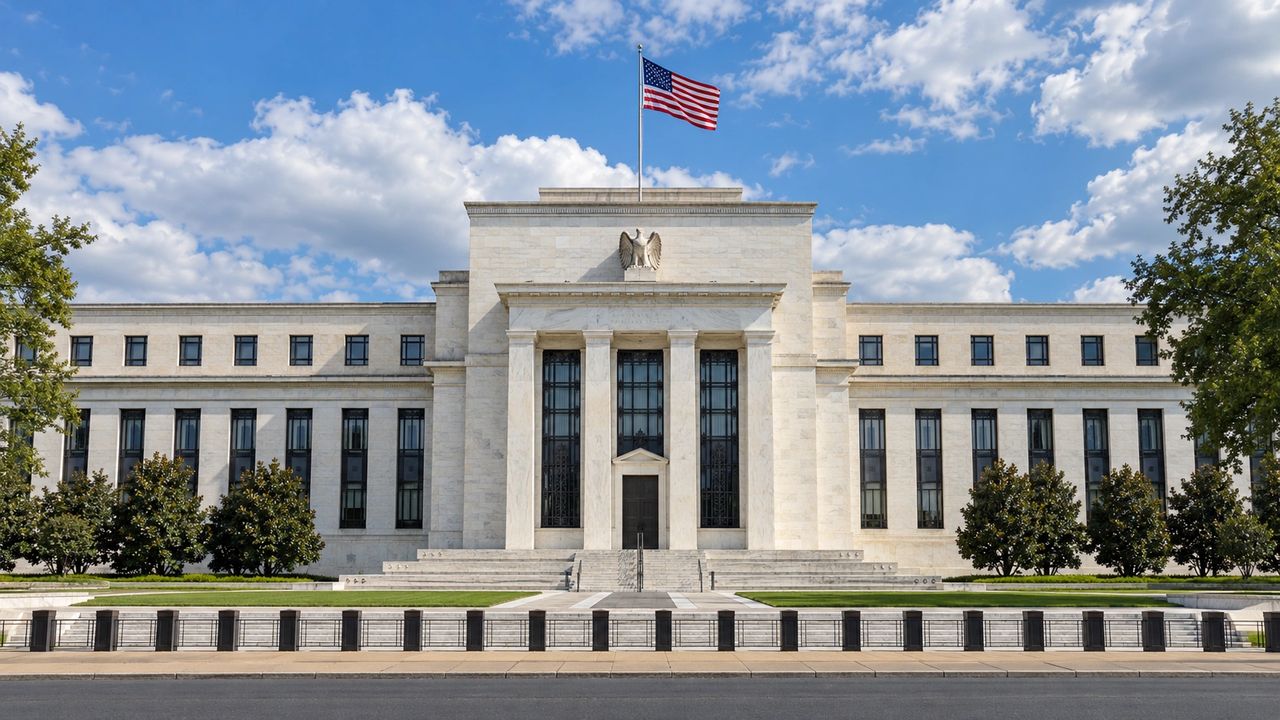
Across the United States, the Federal Reserve reportedly held its benchmark interest-rate range at 3.75–4.00% during its October meeting.
With the Fed remaining on hold, the Australian Reserve Bank faces its upcoming decision against a different domestic inflation backdrop. Differences in interest-rate policy can also influence currency movements, including the Australian dollar against the US dollar.
For cryptocurrency miners, exchange rates matter. Most mining equipment is priced internationally, often in US dollars, while many Australian operators pay their electricity and operating expenses in Australian dollars. That relationship can materially affect equipment purchase prices, operating margins and the economics of future expansion.
It's another reason why we look beyond cryptocurrency prices when assessing mining opportunities.
The ASX — Consumer Pressure, Technology Investment and Changing Market Expectations
October also highlighted the challenges facing parts of the Australian retail sector. Several major companies reported trading updates showing that consumers are becoming increasingly selective about where and when they spend their money.
Wesfarmers and Bunnings
Wesfarmers reported moderating sales growth at Bunnings during the early part of FY27, particularly across seasonal and commercial categories. The market reacted negatively, with shares reportedly falling approximately 3.2% following the update. The result reflects broader concerns around consumer spending and the effect of inflation and higher interest rates on household budgets.
JB Hi-Fi and Super Retail Group
JB Hi-Fi reported a 1.4% decline in Australian comparable sales during the first quarter of FY27. Management also highlighted softer October trading as consumers delayed purchases ahead of major promotional events such as Black Friday. Super Retail Group similarly faced pressure in parts of its retail operations.
These developments are worth watching because consumer spending remains an important indicator of broader economic confidence.
Coles Group
Coles reported comparable food sales growth of approximately 2.7%, although the company also highlighted the potential effect of rising fuel costs on near-term profitability. The market response demonstrated that even businesses reporting positive sales growth can experience substantial share-price volatility when investors become concerned about future margins.

What Does This Mean for Cryptocurrency?
The connection isn't necessarily obvious at first. But when household budgets tighten and businesses face higher financing costs, discretionary investment can come under pressure.
At the same time, investors may become more selective, concentrating capital in assets they believe offer stronger long-term prospects. We've seen this behaviour across cryptocurrency markets, where Bitcoin can attract institutional capital while smaller projects struggle for attention.
It reinforces something I've said many times over the years: not every cryptocurrency will survive, and not every project will experience the same recovery when market sentiment eventually turns.

Artificial Intelligence — Enormous Investment, Enormous Infrastructure Requirements
Another major theme throughout 2026 has been the extraordinary level of investment flowing into artificial intelligence and high-performance computing.
Some of the world's largest technology companies are committing enormous amounts of capital to data centres, GPU infrastructure, cloud computing and AI services. The scale of this investment is remarkable.
But behind every AI model, cloud platform and high-performance computing operation sits a physical requirement that cannot be ignored: power, infrastructure, cooling, connectivity and reliable operations.
These are areas we've been working with for years through our cryptocurrency mining and hosting operations.

Alphabet and the Growing Cost of AI Infrastructure
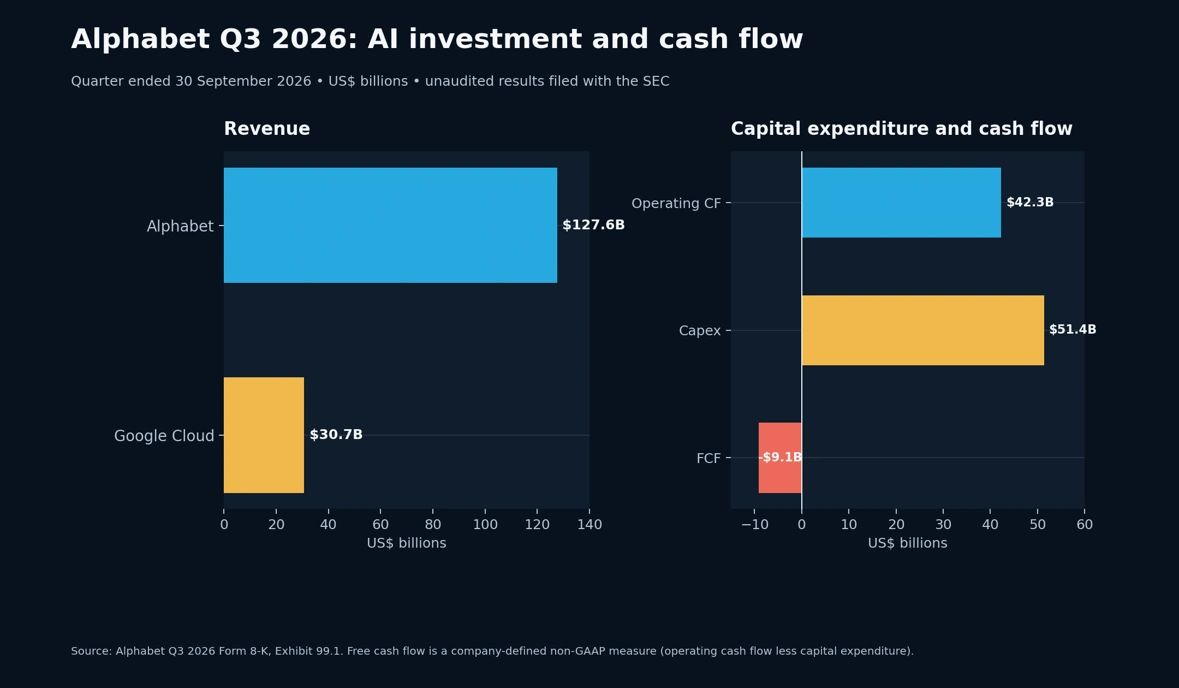
Alphabet's third-quarter results show the scale of investment behind AI and cloud infrastructure. For the quarter ended 30 September 2026, Alphabet reported revenue of US$127.6 billion, including US$30.7 billion from Google Cloud. It recorded US$51.4 billion in purchases of property and equipment against US$42.3 billion in operating cash flow, resulting in negative free cash flow of US$9.1 billion for the quarter.
Those numbers illustrate the enormous capital commitments required to support the expansion of AI infrastructure. Even highly profitable technology companies must invest heavily in physical infrastructure to support future computing demand.
The question for investors is whether future revenue and profitability will justify the scale of those investments.

Anthropic and the Commercialisation of AI
The supplied Superhero market commentary also discussed Anthropic's reported plans for a public listing under the proposed Nasdaq ticker ANT. The commentary described significant revenue growth, increasing enterprise demand for AI services and the challenges associated with valuing a rapidly expanding technology business.
Regardless of individual company valuations, the broader message is clear: AI is moving from experimentation towards large-scale commercial deployment, and that deployment requires substantial computing infrastructure.
Alphabet figures are from its Q3 2026 Form 8-K, Exhibit 99.1, filed with the SEC. Anthropic company-specific revenue and proposed listing details remain sourced to the supplied Superhero commentary and should be verified against primary disclosures before publication. Alphabet Q3 2026 results
What This Means for Metamining and MetaDC
While ASIC cryptocurrency mining and AI computing have different technical requirements, there are important similarities in the infrastructure needed to operate them successfully. Reliable power, efficient cooling, secure facilities, connectivity and experienced technical operators are essential across both industries.
This is why we're exploring opportunities through our wider group, including MetaDC, as we assess how our existing experience and infrastructure can support future computing applications.
For us, the future isn't necessarily about choosing between cryptocurrency mining and AI. It's about understanding where each technology makes commercial sense and developing infrastructure that can adapt as those opportunities evolve.
We believe efficient energy use, renewable generation and well-managed infrastructure will become increasingly important across both industries.
Recent Headlines Highlight the Value of Power and Delivery Readiness
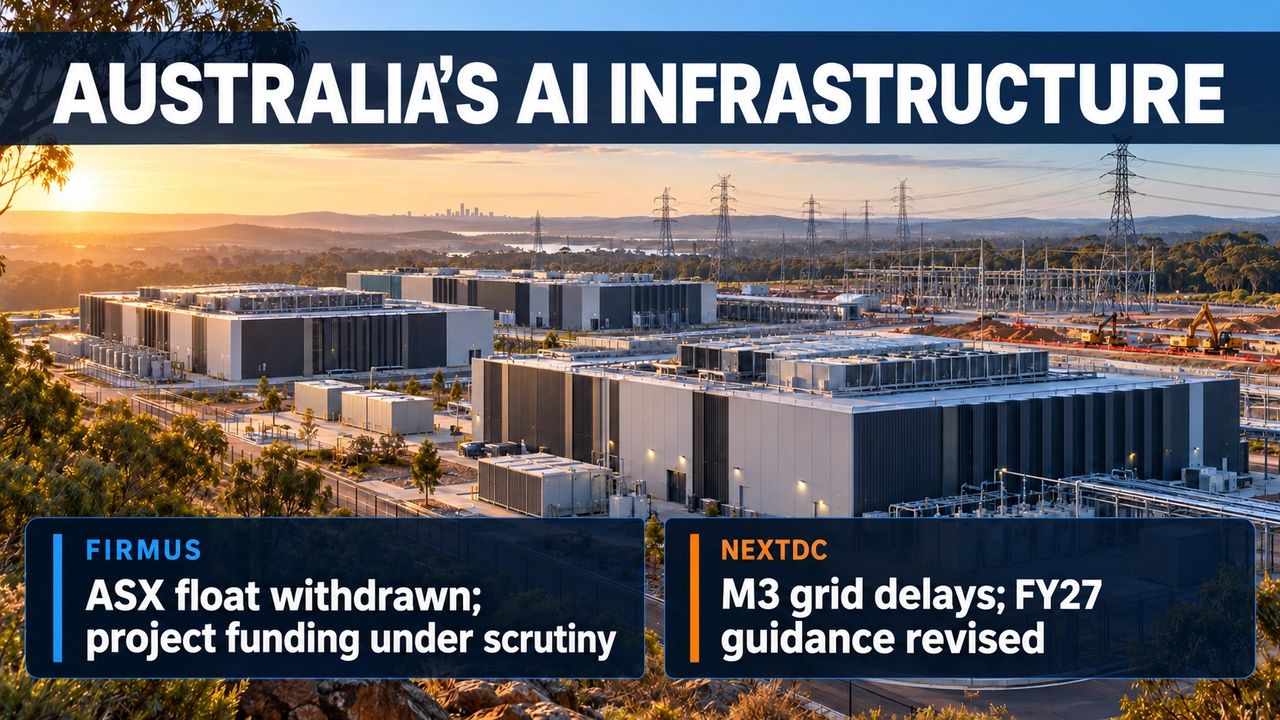
Recent headlines about Firmus and NEXTDC show how funding, approvals and power delivery can affect even large AI infrastructure plans. On 29 October, ABC News reported that Firmus's planned ASX float had been withdrawn after investor interest cooled, raising questions about how some large chip commitments and projects would be funded. Firmus said it would pursue private funding. The report also noted that funding and approval status varied across its Australian projects.
NEXTDC's 21 October market update said that delays to Jemena's network works for its M3 Melbourne site had pushed the next increase in grid supply into FY28, deferring the delivery and billing of contracted capacity. NEXTDC also revised down its FY27 revenue and earnings guidance and said it would pause projects not backed by customer contracts. The company said it remained within its financial covenants and reported A$8.675 billion of liquidity at 30 September 2026.
These headlines aren't a reason to write off either company. They are a reminder that strong demand forecasts and major investment plans still depend on deliverable power, approvals, funding and customer commitments.
This is where we see an opportunity for Metamining and MetaDC. We have power-price agreements, operating sites with power in place and a pipeline of sites where we can deploy assets. Our modular infrastructure suits smaller locations where power already exists, including sites where we are currently operating. That can help us bring capacity online faster and reduce deployment costs for the super-scalers we want to serve. This is what we are aiming to build with MetaDC: a faster, more cost-effective end product, backed by practical power and site readiness.
That doesn't mean we're leaving cryptocurrency mining behind. Mining remains a core part of what we do. Through MetaDC, we're adding to our diversification by developing complementary avenues in IT infrastructure and computing, allowing the group to pursue adjacent opportunities while continuing to support our mining customers and the networks we help secure.
Source links: ABC News on Firmus, 29 October 2026 · NEXTDC investor centre and ASX releases · Reuters on NEXTDC's M3 delay, 21 October 2026

Bitcoin and Cryptocurrency — Where Are We Heading?
Now, onto the market that most of our readers are particularly interested in!
Bitcoin continues to dominate the cryptocurrency conversation, but the market has become considerably more complicated than the traditional four-year cycle many of us became accustomed to.
The emergence of institutional investment products and increased participation from traditional finance have changed the market's dynamics. We've seen periods where Bitcoin performs strongly while much of the altcoin market struggles to gain traction. We've also seen sharp rotations between sectors, with capital moving into particular projects and then disappearing almost as quickly.
Does this mean the traditional cryptocurrency cycle is finished? Not necessarily. But I do think the days of assuming that every altcoin will eventually experience an enormous bull run are becoming increasingly difficult to justify.
Projects need a reason to exist. They need genuine communities, functioning networks, ongoing development and sufficient economic activity to sustain themselves. And for proof-of-work networks, they also need miners willing to continue securing those networks through both good markets and bad.
For us, this is particularly relevant. We've been mining cryptocurrency since 2017, and over those years we've experienced some incredible highs, some brutal corrections and everything in between. The lesson that keeps coming back is that longevity matters.
Binance Security Incident Puts Trust in Focus
On 30 October, Binance reported a major security incident involving unauthorized withdrawals from its hot wallets, with an estimated impact of US$6.3 billion, or about A$8.9 billion. The exchange said it would cover the losses and that about US$3 billion (around A$4.2 billion) had been frozen on-chain, while withdrawals were paused during security checks. The investigation is ongoing, so these figures reflect the exchange's update at the time and may change as more details are verified.
Bitcoin sold off as the news spread, briefly trading around US$76,400 before stabilizing near US$77,000 in reporting on Friday. Market coverage put the move in context: a sharp reaction to a major exchange security event, while also reminding investors that exchange custody risk and the Bitcoin network itself are different risks.
Altcoins also followed the price trend, dropping early on Friday as a result. For people already following a long-term dollar-cost averaging (DCA) plan, it was a notable opportunity to continue building a position at this stage of the cycle. That doesn't mean the market has found a bottom; prices can fall further, and investors should stay within their own plan and risk tolerance.
Are We Approaching Bitcoin's Next Cycle Bottom?
As we navigate the remainder of this cryptocurrency bear market, I believe we're getting closer to seeing Bitcoin establish its bottom for this cycle. Of course, nobody can predict the exact bottom, and there's always the possibility of further volatility before the market finds its feet.
But having been through several cycles since 2017, one thing I've learned is that opportunities often begin presenting themselves well before wider market sentiment turns positive. The challenge is recognising those opportunities without becoming overconfident about timing.
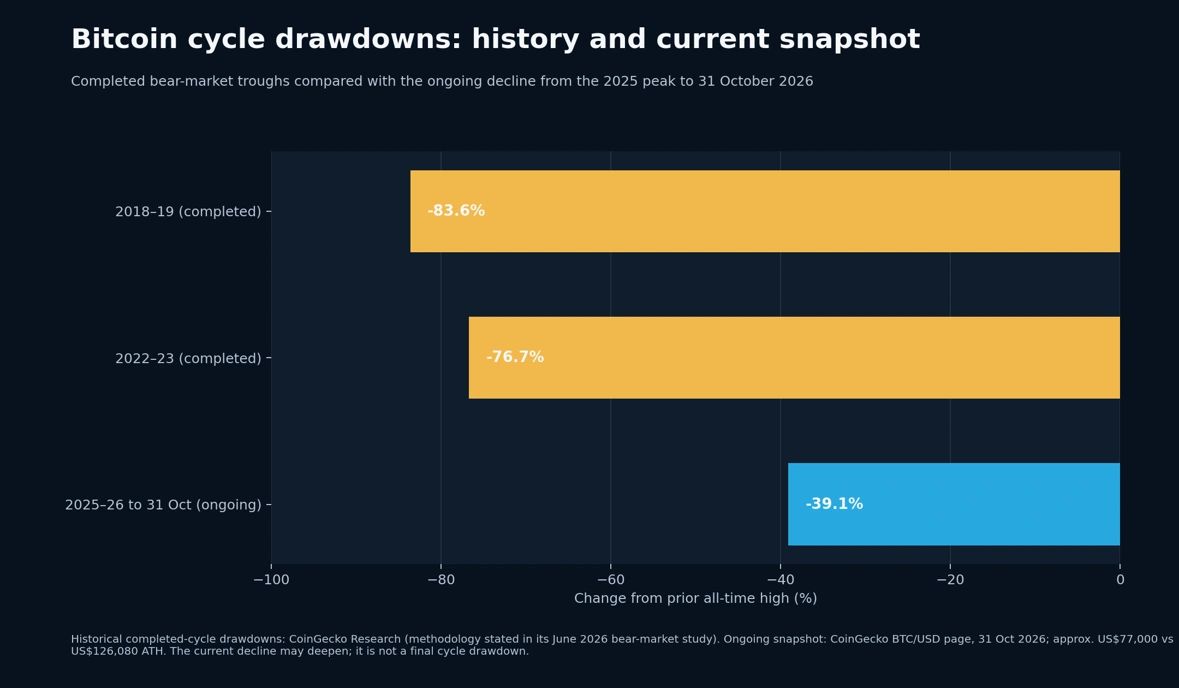
History suggests that cryptocurrency markets move through periods of expansion, speculation, correction and recovery. But the timing and strength of future recoveries are never guaranteed. The chart below compares drawdowns in two completed bear markets with Bitcoin’s reported decline from its 2025 peak to the 31 October 2026 snapshot. The current cycle is still unfolding, so its final drawdown is unknown.
What Could the Next Bull Market Mean for Miners?
No one can reliably name Bitcoin's value in the next bull market. A recovery in demand and broader risk appetite could lift the market price and the dollar value of mining rewards, but that is a scenario, not a forecast or a guarantee. The outcome will depend on conditions that are hard to predict, including demand, liquidity, regulation and confidence after security incidents.
For miners, a higher Bitcoin price can help, but it does not tell the whole story. Bitcoin's network adjusts mining difficulty every 2,016 blocks to keep block production near its target, so stronger participation can increase competition for rewards. Electricity costs, hardware efficiency, uptime, transaction fees, each site's operating terms, operational conditions, technology and location all shape whether an individual operation makes sense.
Those factors can shift at different speeds, so every miner needs to look at their own equipment, site and operating costs rather than assume the same result for everyone.
Original Proof-of-Work Networks — Longevity Matters
One of the most interesting developments we've been following is renewed attention around some of the older proof-of-work cryptocurrencies: Litecoin, Dogecoin, Zcash and Dash.
These aren't new projects promising to revolutionise the world overnight. They've been around for years, survived multiple market cycles and continued operating when many other projects have disappeared.
Litecoin and Dogecoin — The Strength of Merged Mining
Litecoin recently celebrated its 15th anniversary, an impressive achievement in an industry where many projects struggle to remain relevant for even a few years. Dogecoin is also approaching its 13th anniversary in December.
What's particularly interesting about these two networks is their relationship through merged mining. By mining Litecoin and Dogecoin together, Scrypt miners can receive rewards associated with both networks without having to operate entirely separate mining infrastructure. That relationship has played an important role in the economics of Scrypt mining.
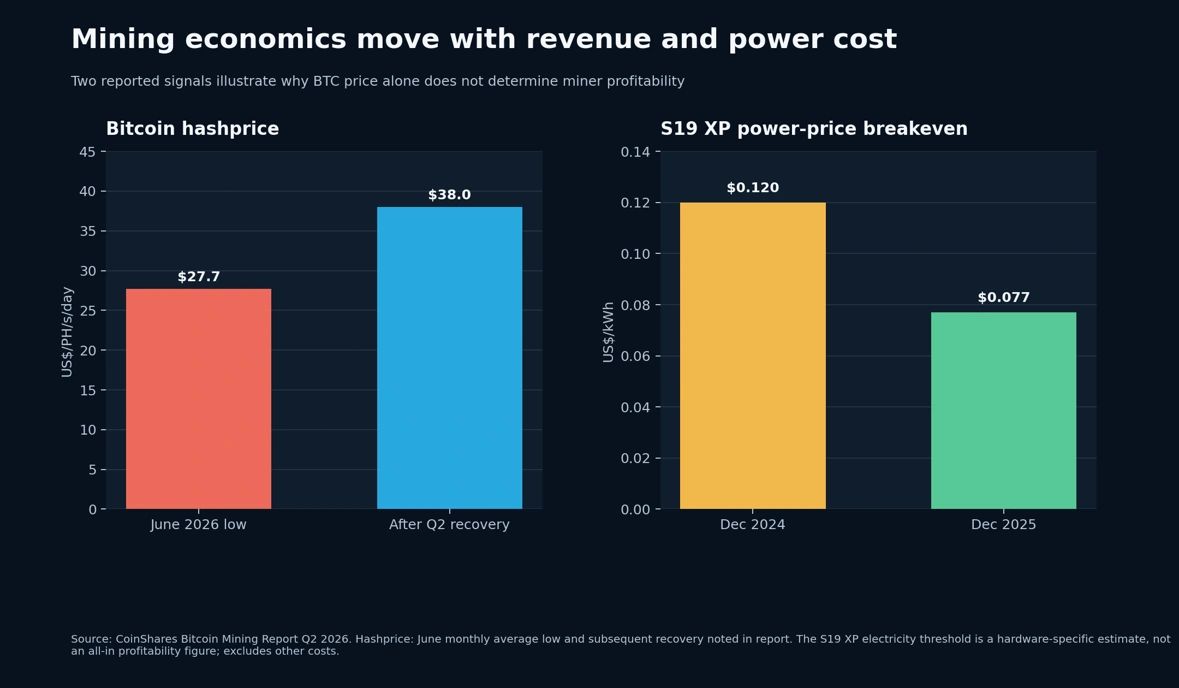
Of course, profitability still depends on hardware efficiency, electricity costs, network difficulty and coin prices. CoinShares’ Q2 2026 mining report illustrates the pressure: Bitcoin hashprice averaged a record low of US$27.7 per PH/s per day in June, while a later recovery lifted it to around US$38. The same report estimated the S19 XP’s electricity-price breakeven at about US$0.077/kWh in December 2025, down from about US$0.12/kWh a year earlier. These are market and hardware-specific reference points, not a profitability forecast for Metamining customers. CoinShares Q2 2026 Bitcoin mining report
Zcash, Dash and the Privacy Conversation
Privacy is another area attracting renewed attention. Zcash, Monero and Dash have all contributed to the broader discussion around financial privacy, although their technologies and privacy features differ considerably.
As governments, regulators and financial institutions increase their focus on transaction transparency and digital asset monitoring, an important question continues to emerge: how much financial privacy should individuals reasonably expect?
Privacy and illegal activity are not the same thing. There are legitimate reasons why individuals and businesses may not want every transaction, balance or financial relationship permanently exposed to the public. At the same time, privacy-focused networks face real challenges around exchange accessibility, regulation and broader adoption.
CKB and Kaspa — The Newer Generation
We're also keeping a close eye on newer proof-of-work networks such as Nervos CKB and Kaspa. Both offer different approaches to network architecture, mining economics and long-term development.
As miners, we've experienced firsthand how changes in network hashrate and market conditions can influence coin accumulation. There have been times when mining through difficult markets has allowed us to accumulate substantially more coins than during periods of intense competition.
But accumulating more coins is only valuable if those networks remain relevant and the economics make sense. That's why we continue to review our mining mix rather than simply chasing whichever machine appears most profitable on a particular day.
Exploring Mining Nodes and New Hosting Opportunities
Another area we're currently exploring is the development and operation of cryptocurrency network nodes, along with the possibility of offering dedicated node hosting services to our customers.
As the cryptocurrency industry continues to mature, we believe there may be opportunities beyond traditional ASIC mining to support the networks and infrastructure that underpin the broader blockchain ecosystem.
We're looking at several established proof-of-work and proof-of-stake networks, including Ethereum, Dash and Avalanche, and assessing the potential to operate nodes within our existing Australian infrastructure.
We're also investigating whether dedicated node hosting could become an additional service for Metamining customers who want to participate in network operations without having to manage their own physical hardware, connectivity, maintenance and uptime requirements.
Naturally, each network has different technical requirements, operating costs, rewards and risks, so we'll be assessing the commercial viability of these opportunities carefully before committing to any new services.
Our existing infrastructure, operational experience and access to reliable power provide a foundation from which to explore these possibilities. It's still early days, but node operations and potential customer node hosting are definitely areas we're interested in developing further.
What's Happening at Metamining?
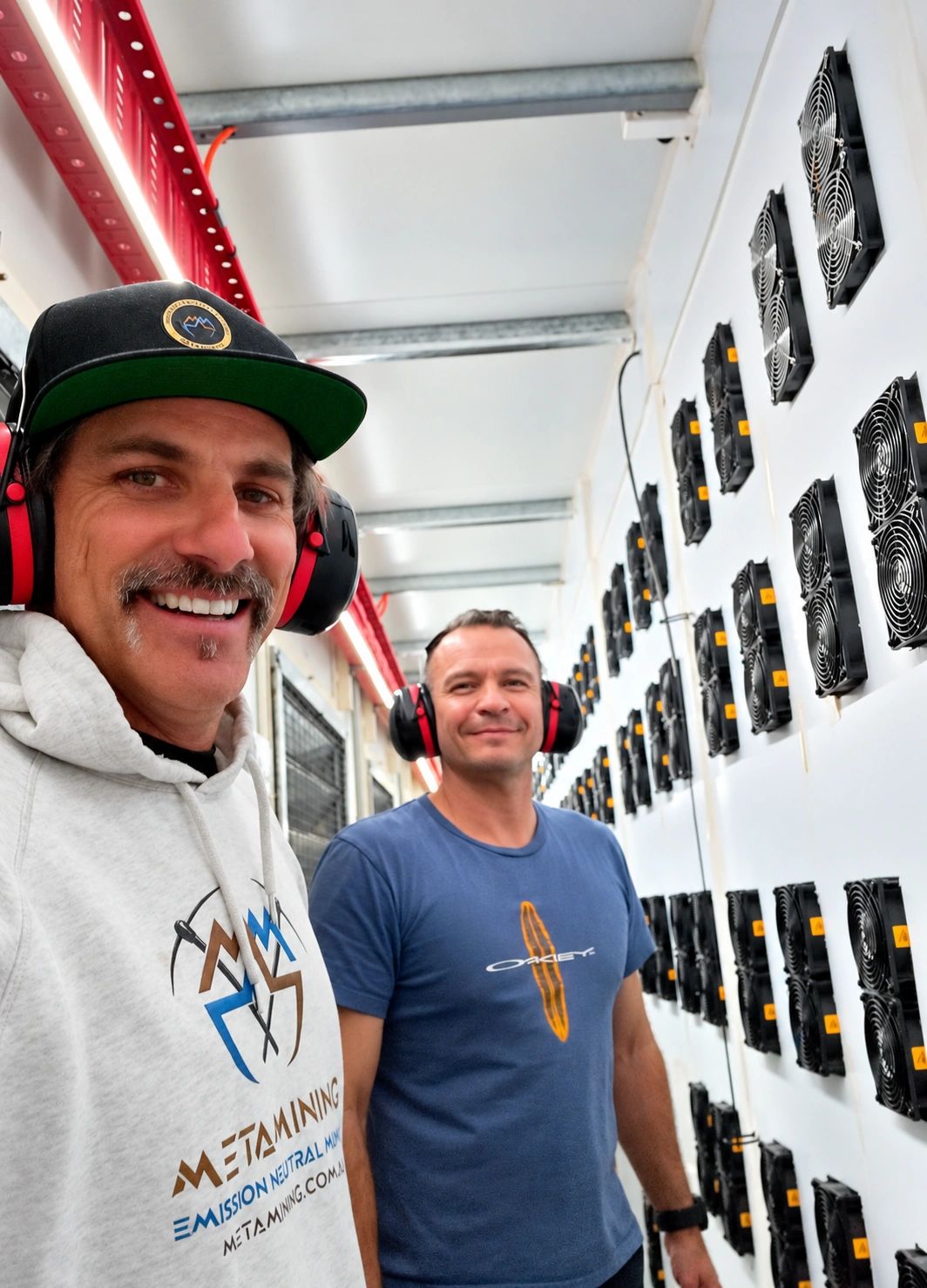
Now, onto what Andy and I have been working on!
As many of you know, the past couple of years have involved an enormous amount of work behind the scenes. We've taken on additional hosting customers, undertaken substantial equipment repairs and upgrades, and continued improving the infrastructure supporting our operations.
Some of that work has been particularly challenging. We've seen firsthand what happens when mining equipment isn't maintained properly or when hosting facilities don't provide suitable operating environments.
Our approach has always been to focus on building something sustainable for the long term rather than simply filling every available space with miners.
Western Australia — Building on Our Existing Infrastructure
We're continuing to develop and improve our Western Australian operations, including our existing hosting infrastructure and opportunities for additional capacity.
Fortunately, we have high-quality infrastructure that we keep a close eye on. We own and run the infrastructure, have strong relationships with the power companies at our sites, and generate power where our modules are positioned. This helps us manage our assets closely and adapt as conditions change.
We're looking at ways to reduce power costs and install our own power infrastructure to provide more available power, greater control and better reliability. Our year-on-year figures are well over 99% uptime, and we're pushing towards 100% as we scale.
We're also progressing renewable energy opportunities, including additional wind and solar-supported infrastructure, which will complement our existing biogas, solar and wind-powered mining operations in Western Australia.
By working closely with energy producers and developing infrastructure around available generation, we're focused on creating efficient, sustainable and commercially competitive mining operations for our customers. We believe this will become increasingly important as demand for power grows across cryptocurrency mining and the wider data centre industry.
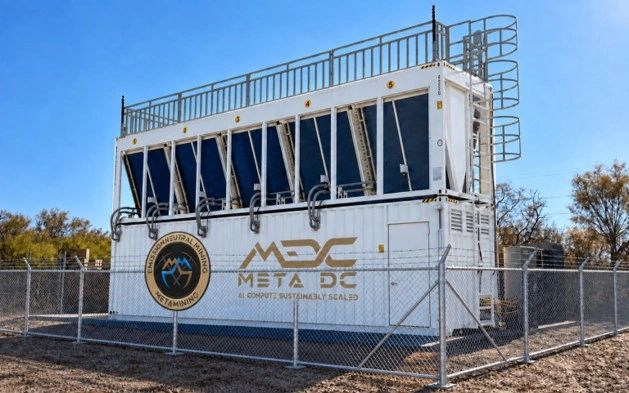
Metamining modular site pod.
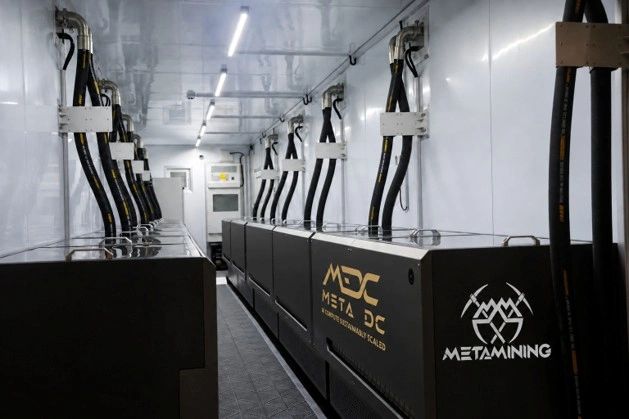
Metamining immersion modules inside a hosting facility.
Victoria and the East Coast — More Opportunities Ahead
We've also been working on further opportunities across Victoria and the eastern states, particularly around biogas-powered infrastructure, existing data centre assets and potential new hosting capacity.
There is plenty happening behind the scenes, including engineering assessments, infrastructure planning and discussions with energy partners. Some projects are still subject to approvals, commercial agreements and commissioning requirements, so we'll share detailed announcements as milestones are confirmed.
What I can say is that we're very excited about the direction we're heading.
100% Australian Founded, Owned and Operated
One thing that hasn't changed is our commitment to remaining an Australian business. Metamining is Australian founded, owned and operated, and that remains central to how we build our team, work with our partners and support our customers.
We're proud of what Andy, the team and our customers have helped build, and we're focused on growing the business carefully for the long term.
The people behind the hashrate
Mining is often discussed through charts and hardware specifications, but it is also a hands-on business built around people, sites and long-term decisions. We have put together a short Hashrate Heart video with Russ and Andy to show a little more of that side of Metamining.
Watch the 3 minute 30 second Hashrate Heart video: Open the approved video file in ChatGPT Library
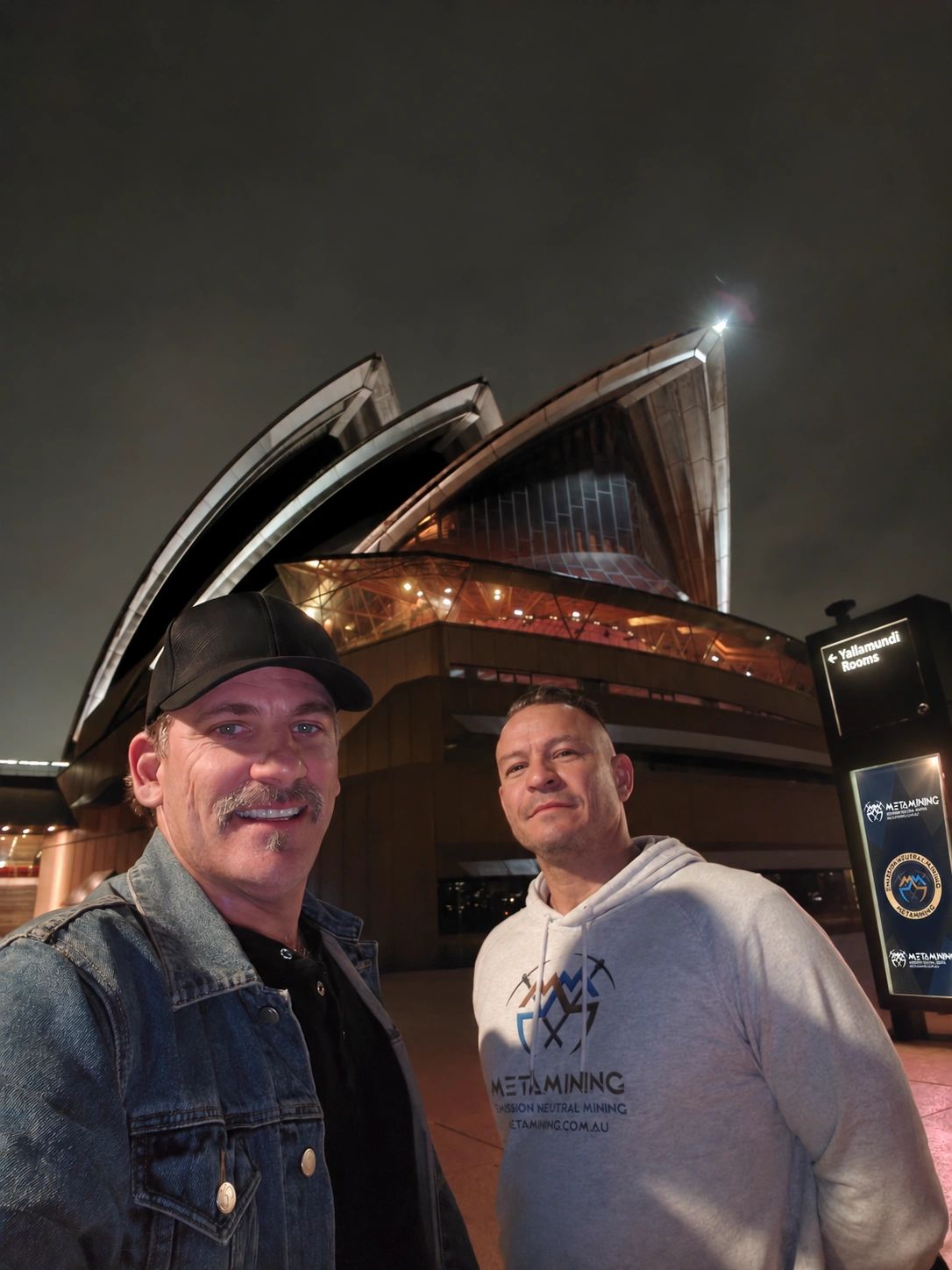
Russ and Andy in Sydney
Come and see us at CryptoCon
We are looking forward to meeting customers and the wider mining community at CryptoCon. Existing Metamining customers who visit our stand can collect a limited-edition CryptoCon T-shirt while stocks last. A limited-edition standard Metamining showbag will also be available free while stocks last, alongside a paid premium showbag. Customers who purchase a machine and sign up for hosting services at the event will receive the premium showbag free. Exclusive merchandise discounts will also be available.
Come and see Andy, myself and the Metamining team at the Metamining stand. We would love to catch up, hear what you are working on and talk through your mining or hosting questions.
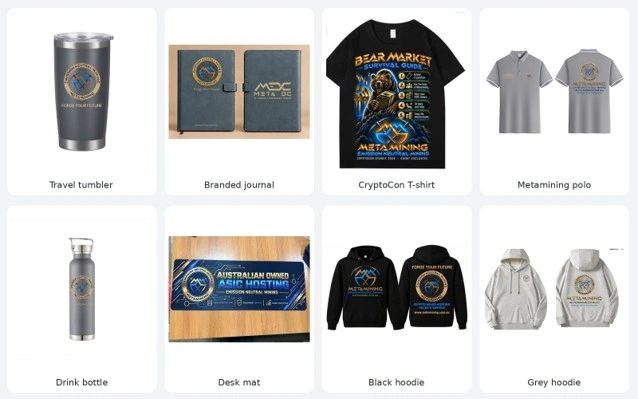
Metamining merchandise and the CryptoCon event T-shirt.
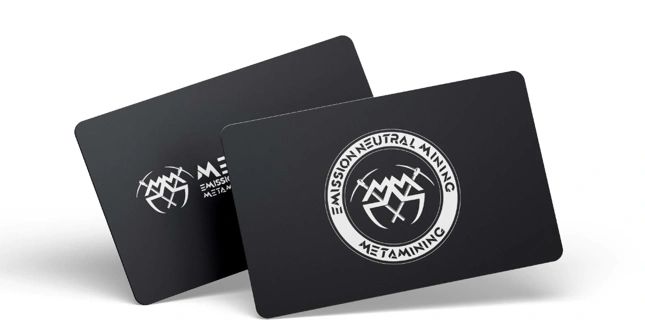
We are also offering a limited number of three-card Metamining-branded Tangem wallet packs. The first four images below show the wallet and packaging concept, along with the card designs. Secure yours at the show or by contacting us to place an order. The packs will be available at the discounted price of $90 per three-card pack. They offer a practical way to keep your crypto in secure self-custody at a discounted price from the normal $119 RRP.
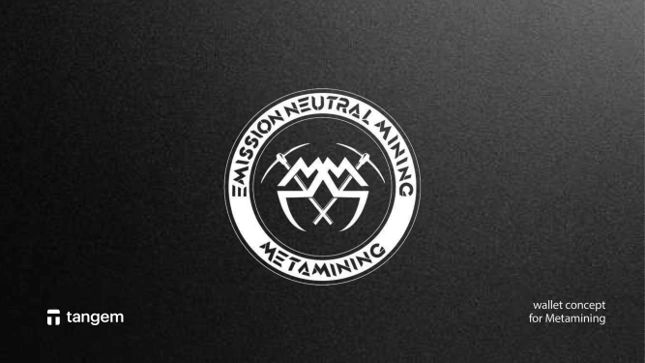
Metamining and Tangem wallet
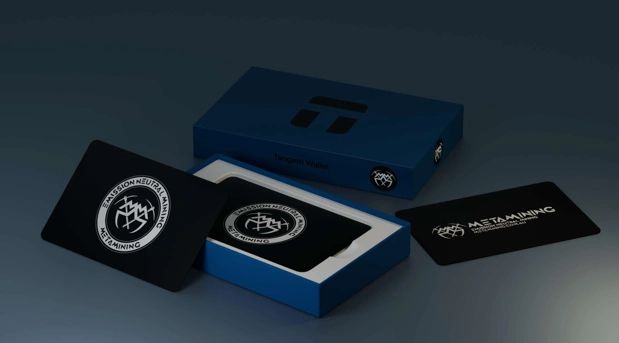
Packaging with branded Tangem wallet cards.
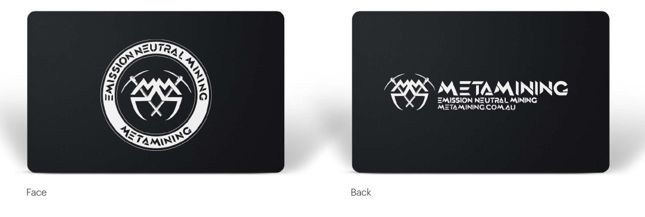
Version 01 stealth card artwork, face and back.
There's a lot to be optimistic about, but we're staying realistic. Market conditions can change quickly, and every project has to make sense on its own. We'll keep doing what we've done since 2017: focus on our customers, look after our infrastructure and build thoughtfully for what comes next.
Thank you for reading and for continuing to support Metamining. If you're considering mining or hosting, or would like to talk about our MetaDC plans, we'd be glad to hear from you.
Until next time, take care and Happy Mining!
Rusty Rigs
Founder, Metamining
Disclaimer
Disclaimer: The content on this site and in this communication should not be considered investment or financial advice. Any investing or crypto mining is speculative. When investing your capital is at risk, please do your own research and invest and make your decisions wisely. Mining profits are not guaranteed and may vary over time depending on the market performance and network hashrates. The views and opinions expressed by the author are for informational purposes only and do not constitute financial, investment, or other advice.