
Tokenization of RWA’s

The core idea of real-world asset tokenization is basically to create a virtual investment vehicle on the blockchain linked to tangible things like real estate, precious metals, art and collectibles. So instead of the deed to a house being a physical piece of paper, the ownership is put on-chain. This is already a large segment and a growing segment of the crypto market with some massive potential for further growth and adoption. Let’s take a look at the history of tokenization and where it fits within society today.
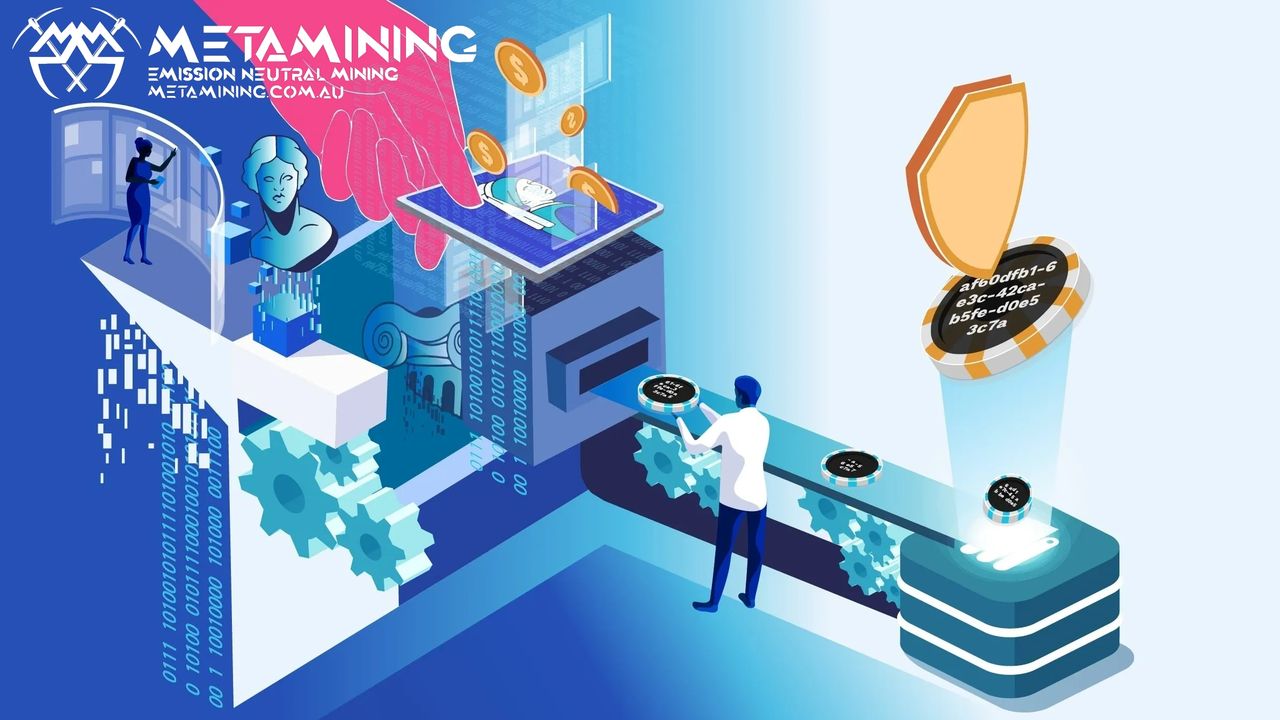
The concept of tokenization, as adopted by the industry today, has existed since the first currency systems emerged centuries ago as a means to reduce risk in handling high value financial instruments by replacing them with surrogate equivalents. In the physical world, coin tokens have a long history of use replacing the financial instrument of minted coins and banknotes.
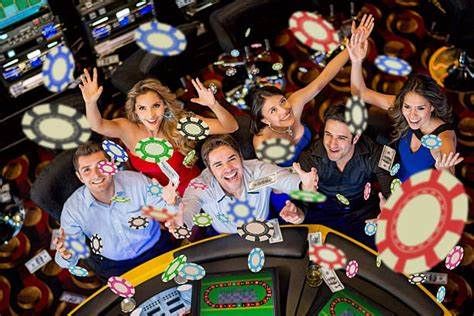
In more recent history, subway tokens, smartriders here in Aus or MRT Stored value cards or tourist passes if you are in Singapore and if you are in Scotland they are called M tickets if you are riding Scotrail, have changed how we pay for our fares on our transport services. Plus, other variations of tokens such as casino chips found adoption for their respective systems to replace physical currency and cash handling risks such as theft. This is tokenization in its simplest form.

Tokenization goes so much further and far beyond Bored Ape or more recently Rick Astley and Skibidi Toilet NFT’s. Rick Astley Animated on You Tube has over 3.5M views and is a current feature in the game Fortnite. Anything that goes viral on Youtube or TikToK then gets turned into meme and an NFT and implemented into games and pop culture.
This is an indication of just how tokenization is integrating more and more with our culture and daily way of life.
In a world where tokenization becomes more mainstream, various assets are digitally represented on blockchains. These tokenized assets could potentially replace traditional money for everyday payments.
- Tokenization: Assets like real estate, stocks, or even digital collectibles (like NFTs) can be tokenized. This means they are represented as digital tokens on a blockchain.
- Direct Payments: Instead of selling your mutual fund shares to get dollars, you could transfer some of the shares directly to a dealership over a blockchain. For example, you’d have the car, and the dealership would have tokenized shares that could be kept invested or transferred to the carmaker to pay for replenishing inventory.
- Reduced Transaction Costs: The more assets are tokenized, the easier it becomes to use them directly for payments without converting them into bank deposits or stablecoins. This reduces transaction costs.
- Obstacles: However, there are hurdles. First, the sheer number of transactions could overwhelm even the most efficient blockchain. Second, using different types of tokenized assets for a single purchase could complicate payment processes.
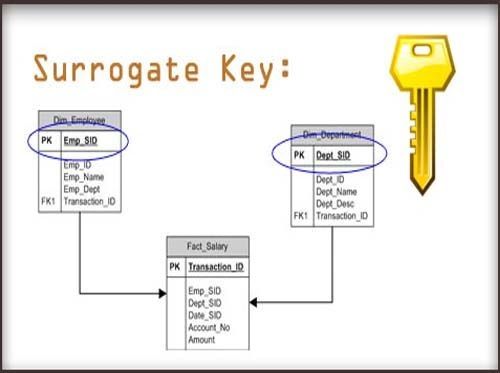
In the digital world, similar substitution techniques have been used since the 1970s as a means to isolate real data elements from exposure to other data systems.
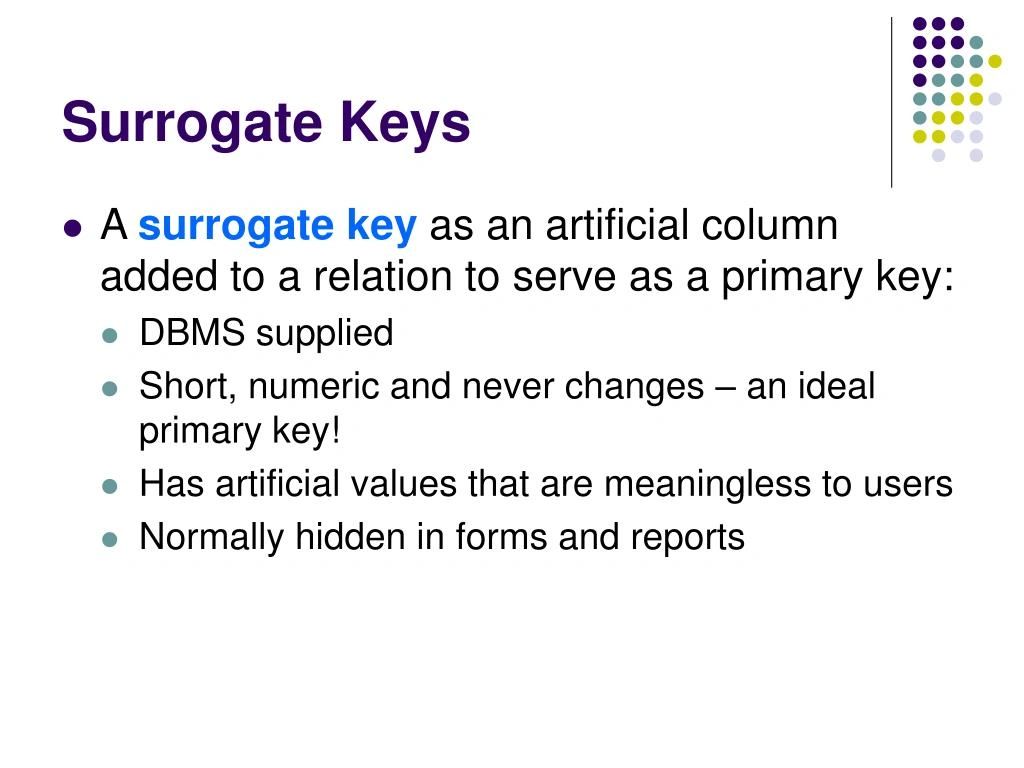
In databases for example, surrogate key values have been used since 1976 to isolate data associated with the internal mechanisms of databases and their external equivalents for a variety of uses in data processing. As we know the tech world is an ever-evolving space and more recently, these concepts have been extended to consider this isolation tactic to provide a security mechanism for the purposes of data protection.
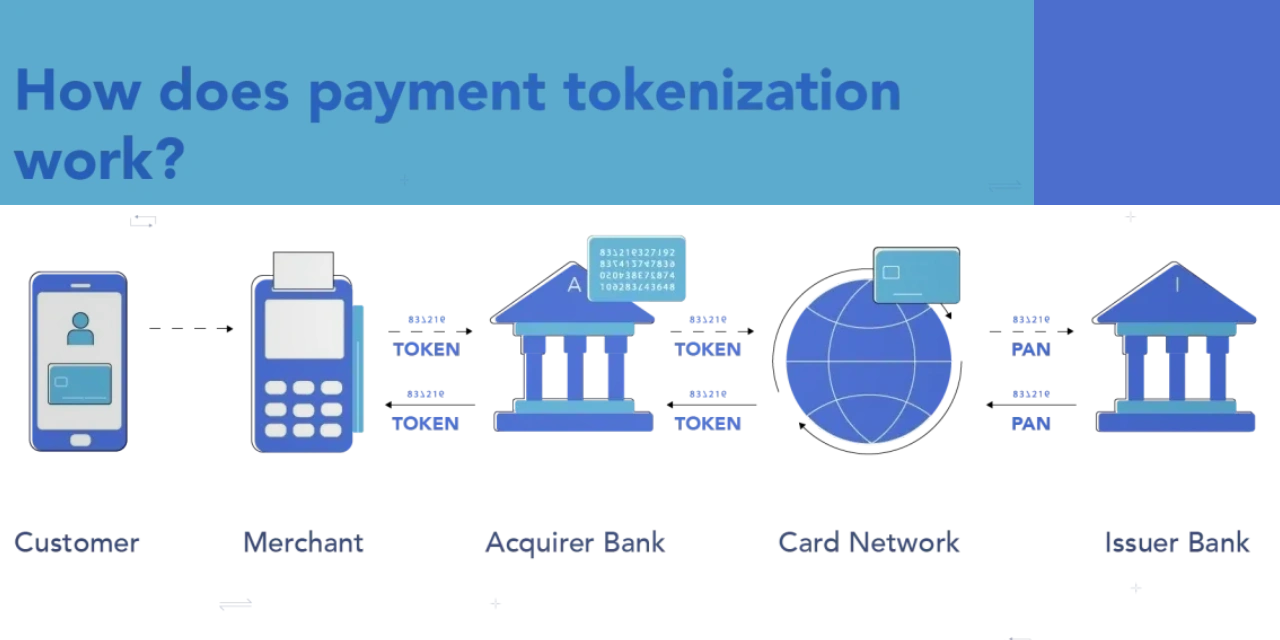
Tokenization in Banking and Finance
In the payment card industry, tokenization is one means of protecting sensitive cardholder data in order to comply with industry standards and government regulations.
In 2001, TrustCommerce created the concept of Tokenization to protect sensitive payment data for a client, Classmates.com. It engaged Rob Caulfield, founder of TrustCommerce, because the risk of storing card holder data was too great if the systems were ever hacked. TrustCommerce developed TC Citadel®, with which customers could reference a token in place of card holder data and TrustCommerce would process a payment on the merchant’s behalf. This billing application allowed clients to process recurring payments without the need to store cardholder payment information. Tokenization replaces the Primary Account Number (PAN) with randomly generated tokens. If intercepted, the data contains no cardholder information, rendering it useless to hackers. The PAN cannot be retrieved, even if the token and the systems it resides on are compromised, nor can the token be reverse engineered to arrive at the PAN.
Tokenization was applied to payment card data by Shift4 Corporation and released to the public during an industry Security Summit in Las Vegas, Nevada in 2005. The technology is meant to prevent the theft of the credit card information in storage. Shift4 defines tokenization as: “The concept of using a non-decryptable piece of data to represent, by reference, sensitive or secret data. In payment card industry (PCI) context, tokens are used to reference cardholder data that is managed in a tokenization system, application or off-site secure facility.”
To protect data over its full lifecycle, tokenization is often combined with end-to-end encryption to secure data in transit to the tokenization system or service, with a token replacing the original data on return. For example, to avoid the risks of malware stealing data from low-trust systems such as point of sale (POS) systems, as in the Target America breach of 2013, cardholder data encryption must take place prior to card data entering the POS and not after. Encryption takes place within the confines of a security hardened and validated card reading device and data remains encrypted until received by the processing host, an approach pioneered by Heartland Payment Systems as a means to secure payment data from advanced threats, now widely adopted by industry payment processing companies and technology companies. The PCI Council has also specified end-to-end encryption (certified point-to-point encryption—P2PE) for various service implementations in various PCI Council Point-to-point Encryption documents.
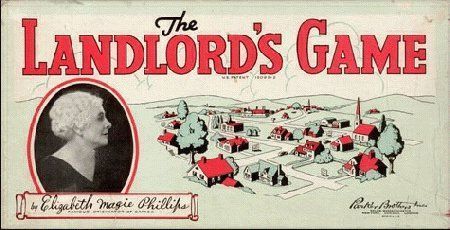
Monopoly was first patented and sold by Parker Brothers in 1935. The company bought the rights to the game from Charles Darrow who had begun making Monopoly sets in 1934. However, Monopoly was really invented in 1903 by Lizzie Magie, she named it ‘The Landlord’s Game’.
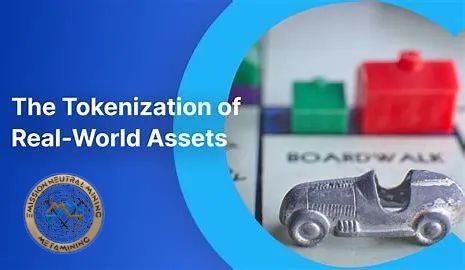
Most of us have been playing Monopoly for as long as we can remember, and it was invented long before any of us today were born. It represents a great concept to visualize Real World Asset tokenization. Even when the bank ran out of money and you had to write it on pieces of paper……. does that sound familar…. Even the real banks work that way! We have tokenized money and assets even before Blockchain was even a thing, it just wasn’t as digital and it certainly wasn’t incorruptible, this is where Blockchain comes in and with all the added security and the checks and balances that it offers through the validation process.
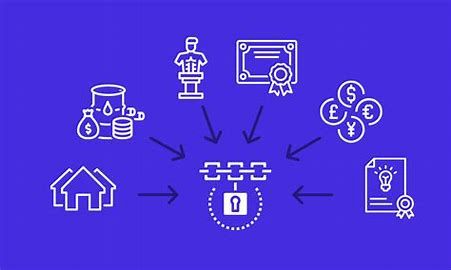
Tokenization of real-world assets (RWAs) is the process of converting tangible assets, such as real estate, precious metals, art, and collectibles, into digital tokens on a blockchain. These tokens represent ownership in the underlying asset and enable fractional ownership.
Instead of traditional ownership documents (like a house deed) being physical pieces of paper, tokenization puts ownership on-chain. This allows for efficient trading, fractional ownership, and increased liquidity.
Advantages
- Cost Reduction: Eliminates middlemen (lawyers, brokers, banks), reducing costs.
- 24/7 Trading: Enables round-the-clock trading, unlike traditional markets.
- Liquidity: Increases liquidity by allowing more people to participate.
- Transparency: The process is transparent, enhancing trust and accountability.
Examples
- Art: Companies like Freeport offer fractionalized shares of artworks, allowing anyone to buy tokens representing ownership.
- Other Assets: RWAs include bonds, cars, gold, real estate, U.S. Treasuries, currency, and stocks
RWA tokenization democratizes access to valuable assets and streamlines their transfer and trading on the blockchain. RWA tokenization is a multi-trillion dollar industry and the potential is absolutely phenomenal.
Challenges associated with tokenization of real-world assets (RWAs):
Regulatory Hurdles: The legal and regulatory environment varies across countries. Tokenizing assets requires compliance with securities laws, anti-money laundering (AML) regulations, and other financial regulations. Navigating this landscape can be complex.
Liquidity and Market Depth: While tokenization aims to increase liquidity, the market for RWA tokens may still lack depth. Thin trading volumes can hinder efficient price discovery and liquidity.
Asset Valuation: Determining the value of an asset for tokenization can be challenging. Real estate, for instance, has subjective valuations based on location, condition, and market trends.
Custody and Security: Safeguarding digital assets is crucial. Secure custody solutions are necessary to prevent theft, hacks, or loss of tokens.
Interoperability: Different blockchains and token standards exist. Ensuring seamless interoperability between platforms is essential for widespread adoption.
Fractional Ownership Complexity: While fractional ownership democratizes access, managing numerous small token holders can be administratively burdensome.
Market Perception: Some investors remain skeptical about digital assets. Overcoming this perception is crucial for broader acceptance.
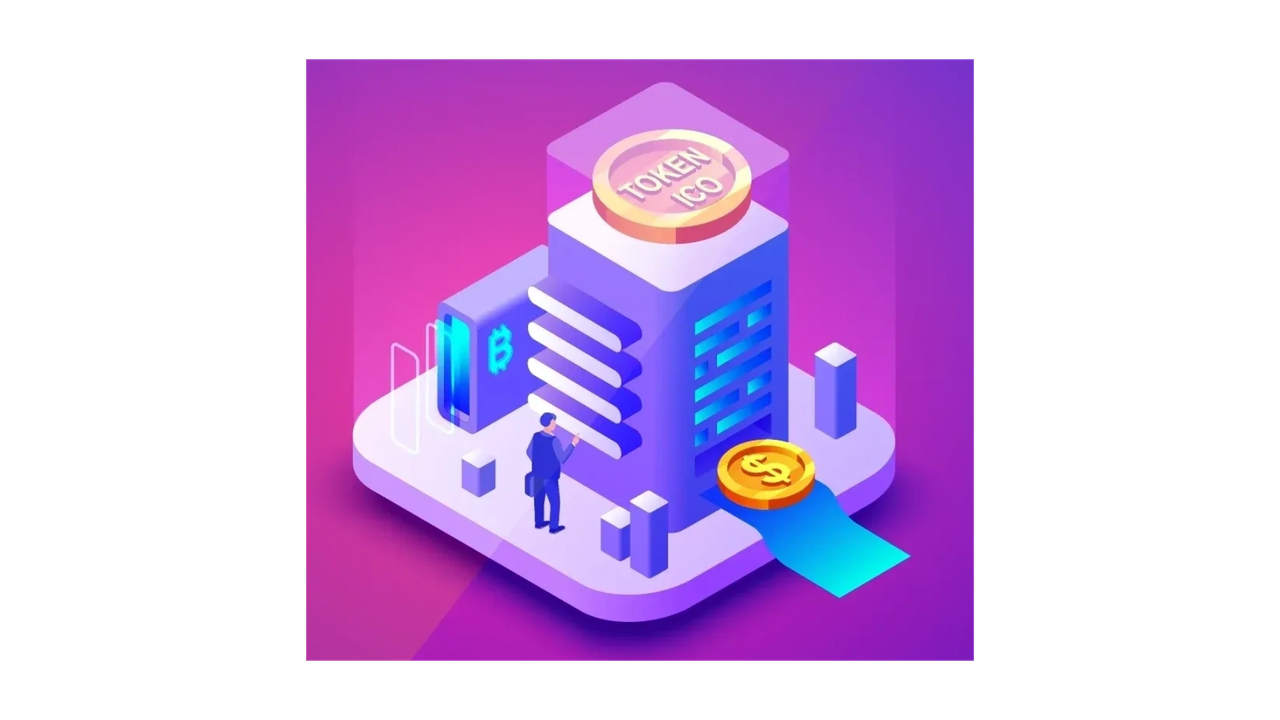
The Current Landscape of RWA’s
While RWA tokenization offers benefits, addressing these challenges is essential for its successful adoption. RWA Inc. is at the cutting edge of the real-world asset (RWA) tokenization revolution. Led by Kevin Yunai, the former CEO and founder of MIRSK, RWA Inc. drives the transformation from traditional investment methods to more dynamic and accessible digital formats. Their platform simplifies the tokenization of tangible assets like real estate and valuable art collections, making investment more transparent and efficient.
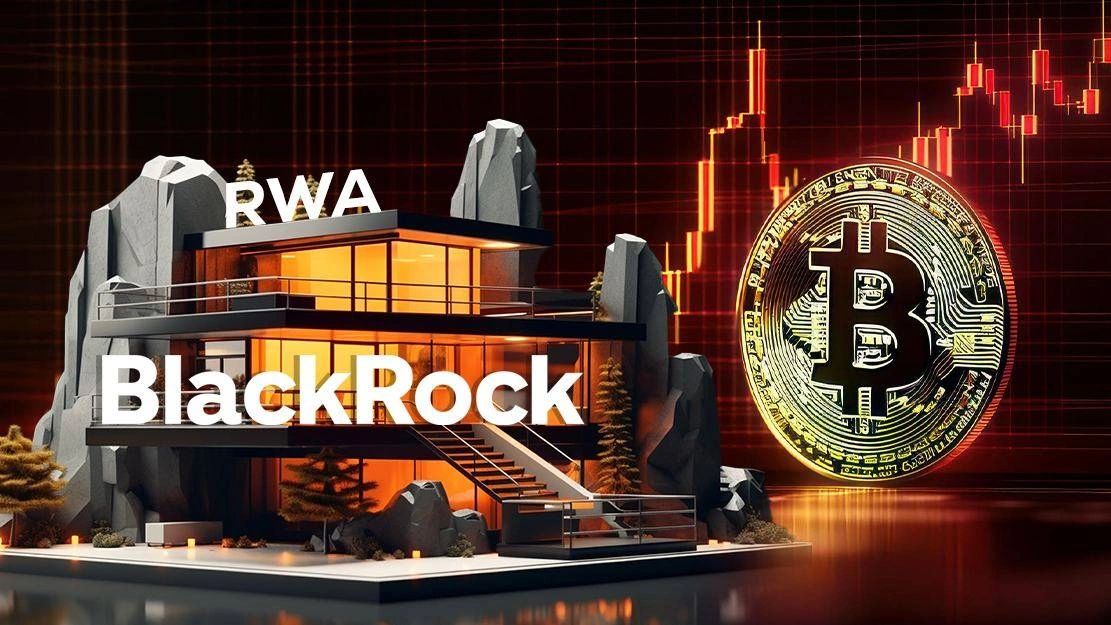
Also, at the forefront of this monumental shift stands BlackRock, the world’s largest asset manager, embarking on a groundbreaking journey to tokenize an astounding $10 trillion worth of assets in collaboration with Securitize.
In the dynamic landscape of finance, an intense and acute transformation is underway, and as we have seen this has been slowly emerging over time, however, with the advancements within blockchain blending traditional investment paradigms with cutting-edge technological innovations we are now seeing an acceleration of RWA adoption and uptake. BlackRock, the world’s largest asset manager, in collaboration with Securitize are on a journey to tokenize around $10 Trillion in RWA’s. This visionary initiative underscores BlackRock’s strategic focus on technology and marks a pivotal moment in the evolution of finance, ushering in the new era of Real World Assets (RWA) tokenization.
By leveraging blockchain technology, RWA tokenization offers enhanced liquidity, transparency, and accessibility across diverse asset classes, from bonds to real estate. Utilizing blockchain technology, BlackRock has effectively directed more than a billion dollars into US Treasuries so far. This strategic maneuver was bolstered by the launch of the USD Corporate Digital Liquidity Fund, commonly referred to as BUIDL. Launched on March 20th on the Ethereum blockchain, the fund currently boasts assets valued at approximately $244.8 million.
The real-world asset (RWA) tokenization sector has been gaining momentum in the crypto space. Here are some recent notable developments:
Galaxy Digital’s Stradivarius Violin Loan: On June 4, Galaxy Digital issued a multimillion-dollar loan secured by a 316-year-old Stradivarius violin. The loan uses the physical violin and its digital representation as a non-fungible token (NFT) collateral, combining security and asset management flexibility.

Watford Football Club’s Digital Equity Sale: Watford Football Club partnered with digital investment platform Republic to initiate a digital equity sale. Approximately 10% of its shares will be available on Republic’s platform and its European counterpart, Seedrs.

Regulatory Support: On June 7, the US Financial Services Committee held a hearing titled “Next Generation Infrastructure: How Tokenization of Real-World Assets Will Facilitate Efficient Markets.” Industry figures discussed the need for regulations to support tokenizing real-world assets and derivative products.
Additionally, Acura Capital and Patex are teaming up in Latin America to use RWA tokens to revolutionize the region’s $6 trillion economy2. The Mavryk Network is also actively involved in transforming conventional assets into legally recognized RWA tokens for seamless interaction within the DeFi ecosystem.
RWA Altcoins
RWA altcoins, or Real World Asset altcoins, represent a revolutionary advancement in the realm of crypto. These crypto tokens tokenize real-world assets, transforming physical assets into digital tokens securely recorded on the blockchain. By bridging the gap between traditional assets and blockchain technology, RWA tokenization offers some major benefits:
- Enhanced Liquidity and Accessibility: One of the primary advantages of RWA tokenization is its ability to improve liquidity and accessibility to traditionally illiquid assets. Through tokenization, assets that were once challenging to trade in traditional markets become more readily exchangeable on digital platforms. This increased liquidity opens up investment opportunities to a broader range of investors, democratizing access to high-value assets.
- Global Investment Opportunities: RWA tokens transcend geographical and financial barriers, offering investors global investment opportunities. By digitizing assets on the blockchain, RWA tokens facilitate seamless cross-border transactions, eliminating the constraints imposed by traditional financial systems. This globalization of investment opportunities fosters diversification and risk management strategies for investors worldwide.
- Creation of New Markets: The advent of RWA tokens creates new and innovative markets within the crypto ecosystem. By tokenizing real-world assets, such as real estate, art, or commodities, RWA tokens enable the development of novel financial products and investment vehicles. These new markets attract diverse participants, including institutional investors, retail traders, and asset owners, fostering innovation and growth in the digital asset space.
Here are some of the current standout performers in the RWA token race and some that may be worth doing your own research on if you haven’t already invested in these.
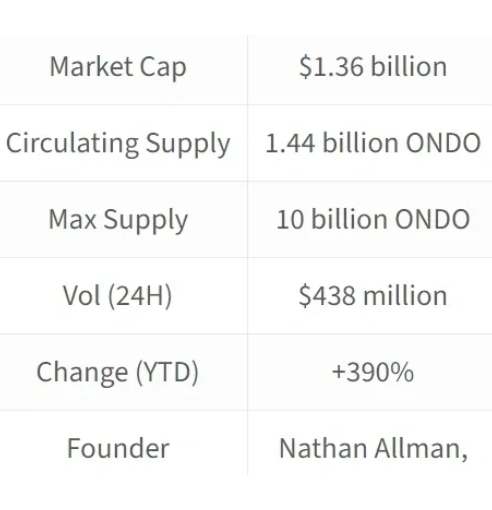
ONDO
Among the emerging cryptos in the realm of Real World Assets (RWA) tokenization, ONDO is quickly gaining attention as a potential frontrunner. Developed on the principles of blockchain technology, ONDO aims to revolutionize the tokenization of real-world assets, providing investors with unprecedented access to diverse investment opportunities.
With BlackRock’s strategic focus on RWA tokenization and asset digitization, ONDO emerges as a promising contender in this rapidly evolving landscape. As investors seek diversified portfolios backed by tangible assets, ONDO’s innovative approach to RWA tokenization positions it as a key player in the market.
The introduction of ONDO aligns with the growing demand for secure, transparent, and efficient investment avenues. By leveraging blockchain technology, ONDO offers enhanced liquidity, accessibility, and transparency, paving the way for a new era of asset tokenization.
Ever since its launch, ONDO price has been pretty much on a consistent upward trajectory and that doesn’t seem to be stopping any time soon. With strong bullish news in the market for this altcoin, and ONDO price creating new ATHs for itself – things look very optimistic.
Polymesh (POLYX)
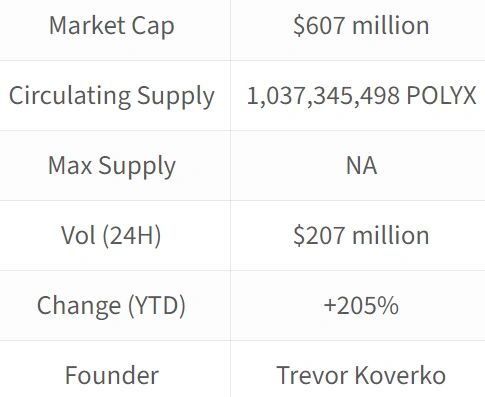
Polymesh (POLYX) emerges as a pioneering force in the realm of Real World Assets (RWA) tokenization, offering a unique blockchain infrastructure tailored for the digitization of traditional assets. As the market witnesses a surge in demand for secure and transparent investment avenues, Polymesh stands out for its focus on RWA tokenization and asset digitization.
Polymesh’s platform provides a robust foundation for the seamless issuance and management of tokenized assets. By harnessing blockchain technology, Polymesh enhances liquidity, transparency, and accessibility, empowering investors to diversify their portfolios with tangible assets.
As a top contender in the RWA tokenization landscape, Polymesh showcases its potential to redefine traditional finance and unlock new markets. With its innovative approach to asset tokenization, Polymesh is poised to emerge as one of the top tokens in the RWA space of 2024/5, offering investors unparalleled opportunities for growth and diversification. This project is set of make a lot of headway in the crypto market.
Mantra (OM)
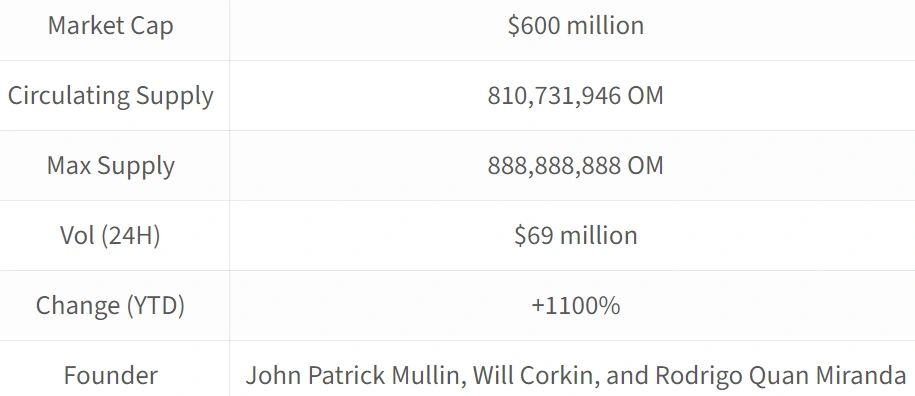
Mantra (OM) is a crypto project that is making waves in the realm of Real World Asset (RWA) tokenization. As one of the top tokens in RWA for 2024, Mantra is at the forefront of transforming traditional assets into digital tokens on the blockchain. Mantra’s innovative approach to RWA tokenization has caught the attention of industry giants like Blackrock, paving the way for a new era of asset digitization. By tokenizing real-world assets, Mantra is bridging the gap between traditional finance and the blockchain, offering investors a unique opportunity to participate in previously illiquid markets.
In the landscape of top RWA tokens for 2024, Mantra stands out for its commitment to transparency, security, and efficiency in asset tokenization. Investors looking to diversify their portfolios with real-world assets can turn to Mantra for a reliable and cutting-edge solution. By integrating Mantra (OM) into your investment strategy, you can tap into the potential of RWA tokenization and stay ahead in the evolving world of digital assets. Mantra’s native crypto token OM definitely has to be one of the biggest gainers amid the hype around RWA tokens in the crypto market right now.
Centrifuge (CFG)
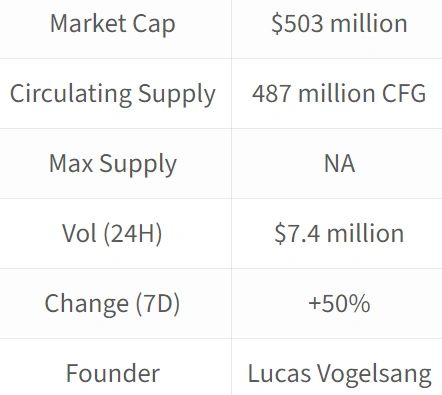
Centrifuge (CFG) is another token that is at the forefront of the RWA tokenization revolution, offering a decentralized platform that bridges traditional finance with the blockchain ecosystem. As institutions like BlackRock propel asset tokenization into the mainstream, Centrifuge provides a cutting-edge solution for digitizing real-world assets.
With its innovative approach to RWA tokenization, Centrifuge facilitates the seamless transfer of real-world assets onto the blockchain, unlocking new opportunities for liquidity and investment. By leveraging decentralized finance (DeFi) principles, Centrifuge empowers users to access various assets, from invoices and supply chain financing to real estate and intellectual property.
Emerging as one of the top tokens in the RWA space of 2024, Centrifuge is poised to revolutionize how assets are tokenized and traded, offering investors unprecedented access to previously illiquid markets. With its commitment to democratizing finance and expanding access to global markets, Centrifuge emerges as a key player in the evolution of asset tokenization. Riding along the hype of real-world asset tokenization in the crypto market today as the industry matures – Centrifuge is another project that is slated to take center stage, especially thanks to its relatively lower valuation. This could well prove to be a worthy token to add to your portfolio.

Pendle
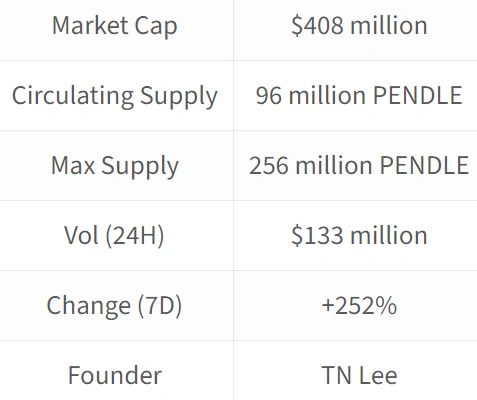
Pendle is a leading player in the realm of RWA tokenization, offering a decentralized protocol that facilitates the efficient trading and management of real-world assets on the blockchain. As institutions like BlackRock drive the adoption of asset tokenization, Pendle provides a robust platform for digitizing and trading a wide array of real-world assets.
Through its innovative RWA tokenization solutions, Pendle enables users to tokenize assets such as invoices, real estate, and intellectual property, unlocking liquidity and investment opportunities previously inaccessible to many. By harnessing the power of decentralized finance (DeFi), Pendle empowers individuals and institutions alike to participate in the burgeoning market for tokenized assets.
As another top token in the RWA space of 2024, Pendle is poised to revolutionize the traditional finance landscape by democratizing access to real-world assets. With its commitment to innovation and accessibility, Pendle emerges as a key player in the ongoing evolution of asset tokenization and decentralized finance. PENDLE is another strong contender in the Top RWA tokens list – and it has rallied hard this year.
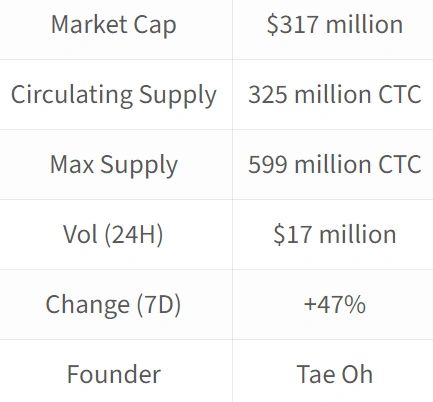
Creditcoin (CTC)
Finally Creditcoin (CTC) is the last on my list of Top 5 RWA crypto assets it is a crypto project that is reshaping the landscape of Real World Asset (RWA) tokenization. As one of the top tokens in RWA for 2024, Creditcoin is leading the charge in digitizing traditional assets through blockchain technology.
Creditcoin’s approach to RWA tokenization is gaining recognition for its efficiency and reliability, attracting interest from major players like Blackrock in the realm of asset tokenization. By leveraging Creditcoin, investors can access a diverse range of real-world assets in a secure and transparent manner.
Creditcoin emerges as a top contender among RWA tokens for 2024 and potentially 2025, offering investors a gateway to a new class of digital assets backed by real-world value. With a focus on scalability and interoperability, Creditcoin is poised to revolutionize how traditional assets are tokenized and traded on the blockchain. While this coin hasn’t rallied as hard as the others mentioned it holds the potential for more and is certainly one that may be worth watching.
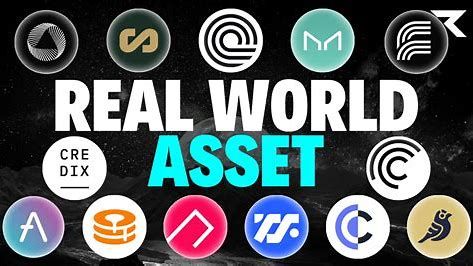
While there isn’t one single leader driving the RWA asset revolution, collective developments contribute to the sector’s growth and potential and we are likely to see this market segment further evolve and emerge as a major asset class within the crypto space. Coupled with other major advancements in blockchain, further adoption of blockchain within business models, increased adoption of blockchain investment within corporations and the increased institutional investment, the acceleration of blockchain and Ai tech and the ongoing security and development of PoW and PoS blockchain models the future looks very promising for ongoing growth, ongoing adoption and therefore an increase in asset values over time.
In a world where tokenization becomes more mainstream, various assets are digitally represented on blockchains. These tokenized assets could potentially replace traditional money for everyday payments.
- Tokenization: Assets like real estate, stocks, or even digital collectibles (like NFTs) can be tokenized. This means they are represented as digital tokens on a blockchain.
- Direct Payments: Instead of selling your mutual fund shares to get dollars, you could transfer some of the shares directly to a dealership over a blockchain. For example, you’d have the car, and the dealership would have tokenized shares that could be kept invested or transferred to the carmaker to pay for replenishing inventory.
- Reduced Transaction Costs: The more assets are tokenized, the easier it becomes to use them directly for payments without converting them into bank deposits or stablecoins. This reduces transaction costs.
- Obstacles: However, there are hurdles. First, the sheer number of transactions could overwhelm even the most efficient blockchain. Second, using different types of tokenized assets for a single purchase could complicate payment processes.
While tokenized assets have the potential to replace traditional money, practical challenges still remain. It is great to see so many great minds working on these challenges and pushing the boundaries for the benefit of the entire blockchain community. It’s an exciting area to watch as technology evolves. The drive for RWA’s and the further embrace of this segment will have a massive impact on the overall crypto market and be another influential factor in the growth of assets such as BTC, LTC, Doge and all the various other Altcoins. The more we see the entire crypto space evolve and diversify, the more we will see its impact and benefits within society. It is an exciting journey and one that has grown remarkably over its short history, its evolution over the past 15 years has been amazing and such a journey, how this journey shapes up over the next 15 years is largely up to us and how we adopt, adapt and embrace it.

Now you can get back to listening to the smooth sounds of Rick Astley……
Happy Mining
Rusty Rigs
Disclaimer: The content on this site and in this communication should not be considered investment or financial advice. Any investing or crypto mining is speculative. When investing your capital is at risk, please do your own research and invest and make your decisions wisely. Mining profits are not guaranteed and may vary over time depending on the market performance and network hashrates.